
Whoa! I remember the first time I lost access to a wallet; it felt like dropping cash out of a moving car. My instinct said “this is doable,” but then reality set in and it hurt. Initially I thought a seed phrase backup was enough, but then realized the attack vectors were more creative than I expected. On one hand you have phishing tabs and malicious extensions, though actually the worst mistakes are often user-side slips — copy-paste errors, forgotten passwords, and bad habits. I’m biased toward pragmatic, low-friction security; this piece is me trying to share that approach.
Seriously? Wallets are not just software. They are the human interface to a financial system that’s still figuring out how to be secure. Simple things break security more often than exotic exploits do. So here’s the thing: start with threat modeling for your own use. Think about who would want your keys, why they’d bother, and what you can tolerate losing.
Hmm… here’s a quick checklist you can use right away. Use a dedicated browser profile for DeFi activity, keep only one extension active for signing transactions, and turn off autofill for any wallet-related fields. Those steps sound small, but they dramatically reduce the attack surface. The pattern is obvious if you look closely: minimize complexity and keep your trusted path short.
Okay, so check this out — extension permissions matter a lot. Most users click “Add extension” without thinking, and that is when things go sideways. Permissions like “read and change all your data on the websites you visit” are red flags for a wallet-like environment. You want a wallet that requests the minimal necessary permissions and is transparent about background behavior, not somethin’ bloated and intrusive.
Really? Yes. Extensions interact with the DOM and can inject UI elements, so any extension with broad host permissions can fake a signing modal. That trick is old but still effective. One failed heuristic: trusting UI that looks like your wallet without verifying the URL or the extension badge. And by the way, hardware wallets help here, but they aren’t perfect; they can be misused if people blindly approve transactions.
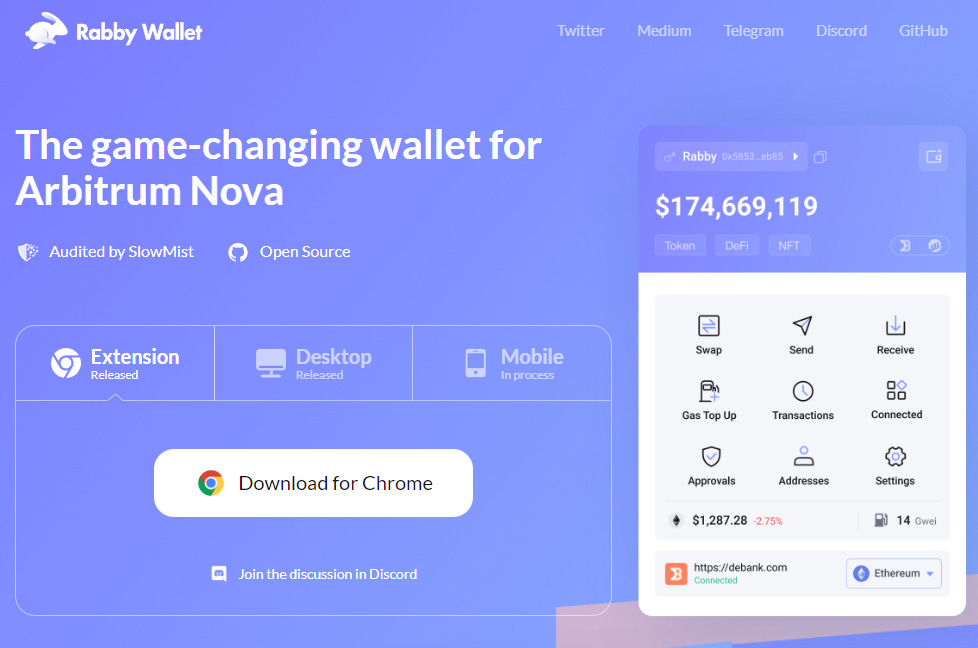
I’ll be honest — I like Rabby for a lot of use cases. It’s got thoughtful UX for approvals and some nice guardrails that nudge users to double-check things. If you want to try it, here’s a clean place for a quick rabby wallet download that I used when testing. But remember: a download link alone doesn’t make you safe; it’s about how you configure and use the tool.
On the technical side, content script isolation and limited messaging channels are important. Extensions should use explicit RPC channels to communicate with dapps instead of intercepting page inputs. Longer thought: when a wallet tries to “make things smooth” by auto-signing or aggregating approvals, it often introduces subtle timing and UX bugs that attackers can exploit via social engineering or malformed transactions, so a little friction is sometimes protective. Developers, listen up: UX that trades safety for speed can get users and funds wrecked.
Something felt off about the last DeFi wallet audit I read. The audit focused on smart contract safety but barely scratched the extension attack surface. That’s a common blind spot. You need an audit that tests real-world browser interactions, extension updates, and permission creep across versions. Otherwise you’re optimizing for the wrong threat model.
Wow! Recovery flows deserve more love. Too many wallets give you a seed phrase and then vanish. Good recovery design includes encrypted cloud backup options, social recovery patterns, or step-up authentication for high-value transactions. And no, writing your seed on a sticky note under your keyboard is not a plan; it’s a gamble.
Here’s the thing — multi-layer defense works. Start with basic hygiene: strong OS passwords, a non-admin daily account, and up-to-date browser and extension versions. Add a hardware wallet for larger balances, and use a separate hot wallet for day-to-day dex activity. This layered approach reduces blast radius if one component fails, which actually happens more often than you’d like.
Oh, and by the way… user education matters, but it’s not magic. A fifteen-minute tutorial won’t change behavior for everyone. The product should have built-in affordances that prevent catastrophes: clear transaction previews, domain verification badges, and transaction caps for new recipients. Small constraints can prevent big mistakes without annoying power users too much.
Practical steps you can take today
Step 1: Segregate accounts and use browser profiles for different activities. Step 2: Keep only one wallet extension active and remove duplicates. Step 3: Use a hardware signer for high-value approvals and set time delays for large transfers. These steps are simple, and they work together. My anecdote: I once had two competing popups from different extensions and I clicked the wrong one — very very costly lesson. After that, I locked down the profile and never looked back.
Initially I thought password managers were enough, but then realized transaction signing is a separate beast. Actually, wait—let me rephrase that: password managers help with credentials, but they don’t protect against a malicious signing prompt. So treat signing operations as high-sensitivity actions and require an explicit, unambiguous confirmation step. Ask yourself: would I approve this if someone poked me on the shoulder right now?
On one hand, decentralization promises autonomy. On the other hand, that autonomy places operational burdens on users. We need tools that respect both values. A wallet that makes safety the default is a UX win, even if some users feel slowed down. Trust is earned through consistent, safe behavior.
FAQ
How do I tell if an extension is malicious?
Check the publisher, read recent reviews, and inspect requested permissions. Look for transparent release notes and independent audits. If an extension asks for broad host access without clear justification, uninstall it. Also verify the extension’s ID and distribution channel to avoid imposter copies.
Should I use a hardware wallet with browser extensions?
Yes for larger balances. Hardware wallets isolate signing keys and make remote exfiltration much harder. Pair them with a well-audited extension and keep daily trading funds in a separate software wallet to avoid frequent hardware prompts.