Exploring the cultural dynamics of gambling in modern society
The Evolution of Gambling in Society
Gambling has long been a part of human history, evolving from simple games of chance to sophisticated systems of wagering. In ancient cultures, such as those in China and Rome, gambling was often tied to social and religious practices. Today, it has transformed into a multi-billion-dollar industry that spans across various platforms, including casinos, online gambling sites, and sports betting. This evolution has not only changed how people engage with gambling but also how it is perceived in society. For those looking to dive into this world, platforms offering best online casino real money are increasingly popular.
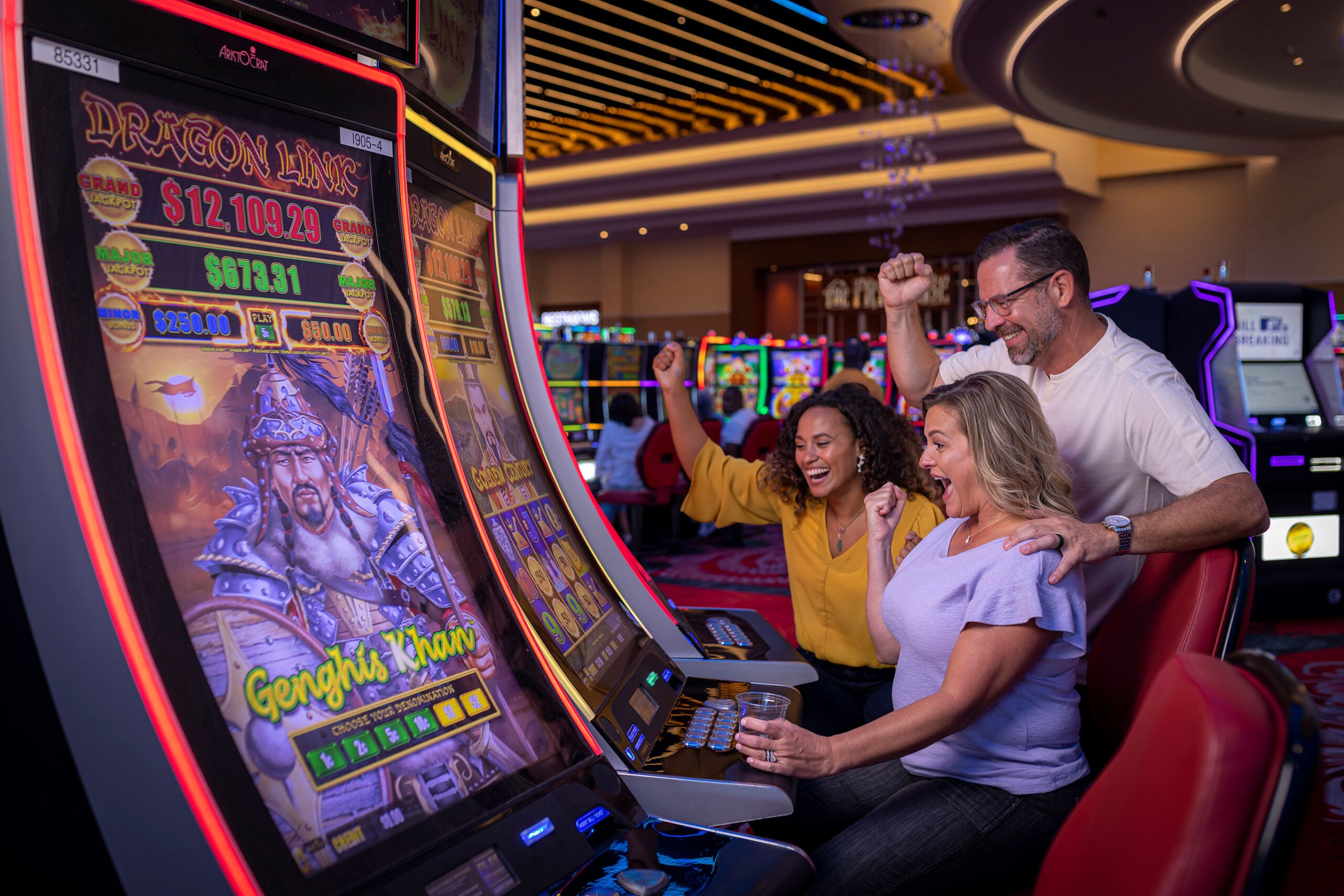
The modernization of gambling has led to its normalization in many cultures. With the rise of technology and the internet, gambling has become more accessible than ever. This accessibility raises questions about regulation, ethics, and the impact on social norms, prompting society to rethink its stance on gambling as a legitimate form of entertainment.
The Psychological Aspects of Gambling
Understanding the psychological dynamics behind gambling can shed light on its appeal. Many gamblers are drawn to the thrill of risk and the potential for substantial rewards. This excitement can trigger the release of dopamine in the brain, creating a sense of pleasure that compels individuals to engage in gambling behavior repeatedly. The psychological underpinnings of gambling addiction are complex, often intertwined with issues of self-control, social pressure, and emotional distress.
Moreover, the concept of high-stakes gambling has emerged, appealing to those who seek an adrenaline rush and a sense of status. This high-risk environment can foster a competitive spirit and an allure of wealth, contributing to the increasing popularity of gambling in modern society. However, it also raises concerns about the psychological toll and the risks of addiction, which society must address through education and responsible gambling initiatives.
Cultural Perceptions of Gambling
Cultural perceptions of gambling can vary widely across different societies. In some cultures, gambling is celebrated as a festive activity, often associated with community bonding and enjoyment. In contrast, other societies view it as a vice that can lead to moral decline and social issues. These differing views significantly influence regulations surrounding gambling and the extent to which it is integrated into cultural practices.
As globalization continues to spread diverse ideas and practices, the cultural dynamics of gambling are also evolving. More traditional societies are beginning to incorporate elements of modern gambling, leading to a hybridization of practices that reflect both historical significance and contemporary influences. This cultural interchange opens up new discussions about the role of gambling in identity and community cohesion.
The Economic Impact of Gambling
Gambling serves as a significant economic driver in many regions, generating substantial revenue through taxes, employment, and tourism. This economic benefit has prompted governments to explore the legalization and regulation of various forms of gambling, particularly in places where it has historically been restricted. As the industry grows, so do the potential economic rewards associated with responsible gambling practices.
However, the economic gains from gambling come with their own set of challenges. Issues such as problem gambling and its socio-economic repercussions must be carefully considered by policymakers. Striking a balance between reaping the financial benefits and ensuring community well-being is crucial in navigating the complexities of gambling’s economic impact.

Ensuring Safety in the Gambling Environment
As gambling continues to thrive in modern society, ensuring the safety and security of individuals engaging in these activities is paramount. This involves implementing effective security measures to protect users from potential threats, particularly in online gambling environments. With the rise of cyber threats, safeguarding user data and providing a secure platform for gambling activities is essential for maintaining trust in the industry.
Organizations dedicated to fostering a secure gambling environment also offer guidance and support for users facing challenges, including access issues or gambling-related concerns. By prioritizing safety and providing resources for responsible gambling, the industry can contribute to a healthier relationship with this form of entertainment, benefitting both operators and players alike.