
Okay, so check this out—browser extension wallets feel trivial at first. Wow! They launch quickly. They sit in your toolbar and wink. But for anyone who uses DeFi on a regular basis, that wink can be dangerous. My instinct said “treat them like your bank app,” and honestly that gut was right.
At a glance, a wallet extension is just an UX layer. It signs transactions. It stores keys. It talks to dapps. But there’s a lot under the hood that can go sideways fast. Hmm… some of the worst hacks I’ve watched weren’t flash loans or rug pulls. They were tiny, unnoticed approvals or malicious injection via a compromised extension update. Initially I thought browser wallets were all interchangeable, but then I started tracking attack vectors and realized the differences matter a lot.
Seriously? Yes. The UI is the smallest piece of the puzzle. The security model, permission patterns, and how the wallet handles contract approvals are the heavy hitters. On one hand you want convenience. On the other hand you need minimizing blast radius. Balancing those is the whole game.
What really matters in a browser wallet
Short answer: isolation, transaction transparency, and sane defaults. Long answer: those things combined determine whether a single compromised site can drain your entire portfolio or just one token. Here’s a quick checklist you can apply right now.
First: account isolation. Keep separate accounts for different uses. Seriously. Put a small amount in the “daily” account for swaps and interactions. Keep long-term holdings in a separate account or, better yet, a hardware wallet. My wallet setup is messy and very intentional—somethin’ like a digital split between spending and savings. It’s not perfect, but it’s deliberate.
Second: permission management. A lot of wallets ask for “infinite approval.” That is toxic. If a wallet doesn’t make it easy to see which dapp has a standing allowance to move tokens, get suspicious. Also, the ability to revoke approvals with a single click is huge. Initially I ignored allowance explorers, but after a near miss I check them monthly now. (oh, and by the way—there are browser extensions and services that surface approvals; use them.)
Third: transaction details. The wallet should show exact calldata, recipient addresses, and gas breakdown in a readable way. If it hides method names or shows vague text like “execute batch,” it’s asking you to trust magic. Don’t trust magic. My instinct said “verify the call” and when I did, I caught a sneaky contract that would have silently taken an allowance.
Fourth: update and extension security. Where did the extension come from? Who built it? Is the code audited? Are updates signed or reviewed? Browser stores are not a security gate—malicious updates happen. I like wallets that publish changelogs, commit hashes, or even installable CRX files from a trusted site, because transparency reduces surprise. Initially, I assumed “most wallets are legit,” but after seeing a spoofed extension I changed my trust model.
Fifth: open source matters. Yes, but open source alone isn’t a silver bullet. You also want active maintainers, public audits, and a community that flags issues. On one hand, a closed-source wallet might be safe; though actually, wait—without visibility, you can’t verify anything, and that lack of verification is costlier long term.
How a good wallet behaves (and why I recommend trying it)
Okay—I’ll be honest: I’m biased toward wallets that prioritize clarity over flash. Here’s what I look for in daily drivers. Short prompts. Explicit approval granularity. An interface that refuses to obfuscate calldata. A sane default to reject infinite approvals. And, crucially, easy hardware wallet integration so you can escalate security when needed.
Give a wallet permission to act on your behalf and you’re effectively signing checks. Wow. That image stuck with me the first time I tried complex DeFi composability and nearly sent a bad approval without reading. My mistake? I trusted the dapp screen. Learning moment: read the transaction. It takes a breath, but it saves tears.
If you’re exploring alternatives, consider testing a few wallets with small sums and mock interactions. Watch how each handles approvals, how transparent the gas fees are, and how easy it is to revoke access. Try to break them. I’m not saying sabotage anything illegal—just stress-test the UX. You’ll learn fast.
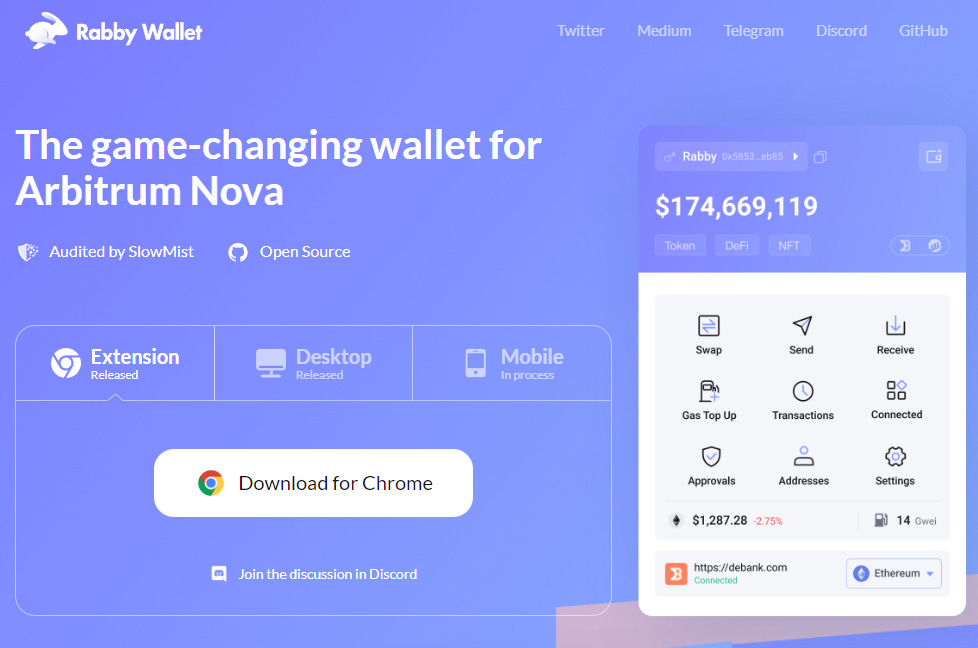
One wallet I’ve used and pointed friends to for its clean permission model and clear UI is rabby wallet. It surfaced contract details that other wallets hid, and it made revoking approvals straightforward. I’m not sponsored; I’m telling you what worked in my real workflows.
Practical steps to harden your browser wallet
Small changes yield big wins. Here are practical moves, ranked by impact.
1) Use multiple accounts. Keep a “hot” account for daily DeFi and a “cold” account for savings. Seriously, segmenting reduces blast radius. 2) Limit approvals. Reject infinite allowances unless you absolutely trust the dapp. 3) Integrate a hardware wallet for high-value transactions. 4) Review transaction calldata before accepting anything. 5) Revoke forgotten approvals monthly. 6) Keep backups of seed phrases offline and split across secure locations. These aren’t theory; they’re habits you develop and then rely on.
One thing bugs me: people keep seed phrases in cloud notes. Please don’t. Cloud platforms get breached. Paper can burn, but it’s often better than a plaintext cloud dump. Use a safe or a secure home method—I’m not 100% sure about every product out there, but err on the side of physical control.
Also, watch browser sandboxing. Many modern browsers do a decent job isolating extensions, but some extensions request broad permissions like access to all sites. That is a red flag. If an extension asks for “read and change all your data on the websites you visit,” ask why. On one hand, that permission is needed for some features; though actually, wait—rarely for a wallet. Be skeptical.
FAQ
Q: Can I run a browser wallet and a hardware wallet together?
A: Yes. Many browser wallets act as a bridge to hardware devices, letting you review and sign transactions on the hardware while maintaining convenience for UI interactions. This is the best of both worlds—use the extension for UX and the hardware for signing.
Q: Are mobile wallets safer than extension wallets?
A: Not inherently. Mobile wallets can be very secure, especially if they run in a locked environment and use secure enclaves. But mobile devices have their own risks, like malicious apps and backups that leak seeds. Choose based on how you use DeFi, and assume some trade-offs either way.
Q: How often should I check approvals?
A: Monthly is a good baseline. More active DeFi users should check weekly. If you interact with a lot of new contracts, check immediately after the interaction. Small, regular hygiene beats giant, rare audits of your accounts.
Look, DeFi is liberating, but it’s also DIY security. If that sounds like a lot, it’s because it is. My approach was messy at first. I lost small amounts, learned patterns, and then built a workflow that prevents recurrence. You will too. Start small, iterate, and make wallets earn your trust rather than assuming they already have it.
One last thing—record your lessons. Keep a tiny log of odd transactions, approvals you revoked, and how you recovered from minor mistakes. It helps. It’ll save you future headaches when patterns start repeating. Seriously, it does.