
This includes maintaining accurate records of income, expenses, sales, purchases, assets, liabilities, payroll, taxes, and other financial activities. As an online cloud-based accounting software, QuickBooks Online was made specifically for non-accountants (unlike the clunkier QuickBooks Desktop, which was made for accountants). Plus, if you spend more time traveling to on-site jobs and less time sitting in front of a computer, QuickBooks Online includes a fantastic mobile accounting app. You can use it to create invoices, capture receipts for easier expense tracking, and access the same financial reports displayed on the online interface. Single-entry and double-entry bookkeeping are two methods of bookkeeping with different purposes. Single-entry bookkeeping records a financial transaction as one entry.
Managing Income and Expenses
It’s incredibly user-friendly, with setup taking mere minutes and zero accounting knowledge required. Intuit QuickBooks Online is used by thousands of small businesses, and for good reason. This cloud-based software has a robust set of features that can be easily accessed online or through its mobile app.
Useful Bookkeeping Best Practices To Manage Your Account
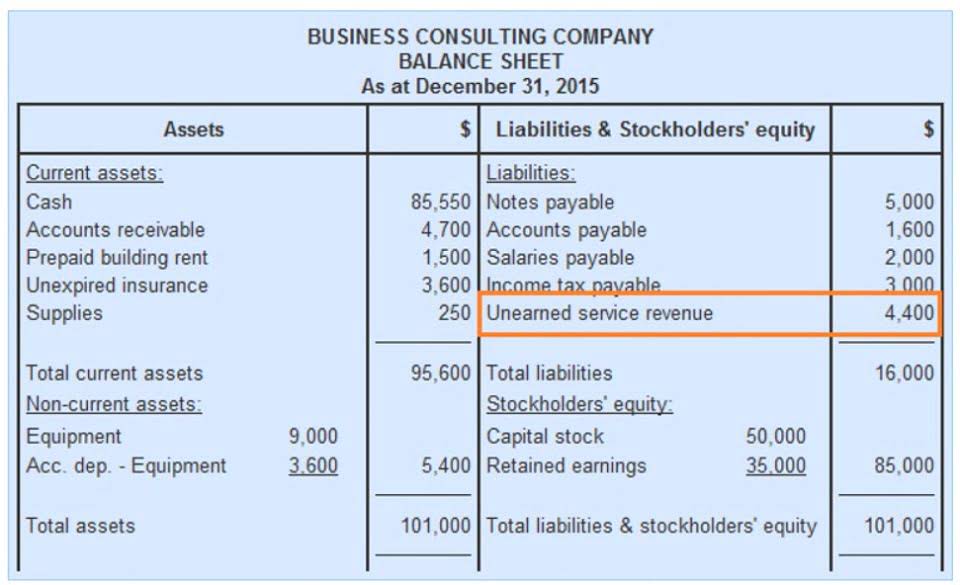
Using the data you gain from keeping a ledger, your next step will be to generate and prepare financial reports for analysis. The major reports to include are the profit and loss, the balance sheet, and a cash flow analysis. Additionally, the aged accounts receivables and aged accounts payables reports are helpful in knowing which clients have not paid and which vendors are yet to be paid. These reports will help you gain greater insights into the financial health of your small business. Fortunately, small business owners don’t need to be experts in mathematics to find success when doing their own bookkeeping. There are many ways to divide bookkeeping responsibilities and leverage powerful technology and small business accounting software for more accurate expense tracking.
Accounting equation
“Don’t forget to set aside the money for estimated taxes and sales taxes (usually 10%) if it applies,” he adds. However, you probably don’t need separate accounts for different brands of office supplies – that level of detail typically creates unnecessary complexity without providing actionable insights. Learn all the best practices of CRMs to simplify customer relationship management and elevate your bond with loyal customers.

Open The Right Accounts
- While the accountant doesn’t typically handle the bookkeeping, your ‘accounting team’ will handle it for you.
- However, most can hire virtual bookkeepers who charge by the hour and helps you get more done for less.
- You can submit documents digitally if they are a copy of the original and can be printed to produce a legit document.
- But regardless of the type or size of business you own, the accounts we list below are the most popular.
- For both sales and purchases, it’s vital to have detailed, complete records of all transactions.
Use a strong password and deploy two-factor authentication whenever best record keeping for small business you can. Documenting all business records is obligatory for small businesses. However, if you keep records on paper, then success feels less like a victory and more like a headache. As your business grows, the paperwork increases, and soon the piles of paper become too big to manage. Accurate records ensure you meet tax obligations and comply with local, state, and federal reporting requirements.
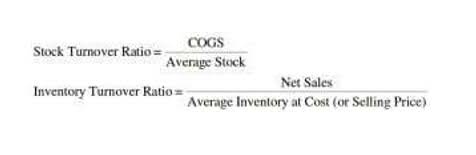
- For example, a retail store could alter its sales reports to add gross margin and inventory turnover.
- A well-organized budget should include expenses such as funds for taxes, equipment purchases, and other costs to avoid cash flow issues.
- If you need to check up on anything later, see if you can access past invoices through your online account.
- Some tools also proactively flag discrepancies or offer standardized financial reporting.
- Bookkeeping beginners need quick wins to get started quickly and efficiently.
Make bookkeepinga breeze
Primarily, you need to have an accurate picture of all the financial ins and outs of your business. From the cash you have on hand to the debts you owe, understanding the state of your business’s finances means you can make better decisions and plan for the future. Bookkeeping begins with setting up each necessary account so you can record transactions in the appropriate categories. But regardless of the type or size of business you own, the accounts we list below are the most popular. If a general ledger is like a book, a chart of accounts is like a book’s table of contents—it’s a list of all the accounts your business uses to record transactions.


Xero, for instance, charges $13 for its most basic plan while FreshBooks starts at $15. QuickBooks Online generally has the highest starting prices in the industry at $30 a month for a basic plan. Sure, QuickBooks could be the best software for your small business, or https://ayub.zakorigroup.com/2022/04/28/how-to-create-a-budget-allocation-plan-for-a/ you might find its prices too high and its features too limited. Depending on what you need, another bookkeeping software pick like FreshBooks or Sage could be better for your business. Check out our list of the year’s best QuickBooks alternatives to get started.
Preparing Financial Statements
Our newsletter will keep you updated on the latest content we post to help small businesses succeed. New Jersey had the highest corporate income tax in 2023 with an 11.5% tax rate, while North Carolina had the lowest tax burden with a 2.5% tax rate, as illustrated below. We weighted each category equally to derive our star ratings, along with our accounting expert’s opinion and advice.
By doing this, you will stay on track and foster long-term financial stability. When you stay updated, you can identify trends and discrepancies and quickly address potential issues. To keep your business on track, aim to check these statements monthly or quarterly and always be prepared for any financial changes ahead. Missing tax deadlines can lead to costly penalties, fines, and the hassle of audits, which adds unnecessary stress to your business operations. It’s of utmost importance to stay organized and proactive to avoid these issues. Setting reminders for important tax filing dates well in advance is an effective strategy—aim for at least a month ahead.

This basic cash flow statement tracks the movement of money in and out of your business and compares financial data between time periods. The template lists example cash receipts, payments, operating expenses, and additional costs. Use this template to review each item and determine the overall month-end cash position for each time period. Bookkeepers help small businesses create and manage their financial records, process transactions efficiently and accurately and reconcile various financial accounts. They also ensure that these processes are reported accurately, providing valuable financial insights and helping contra asset account guide future business moves.